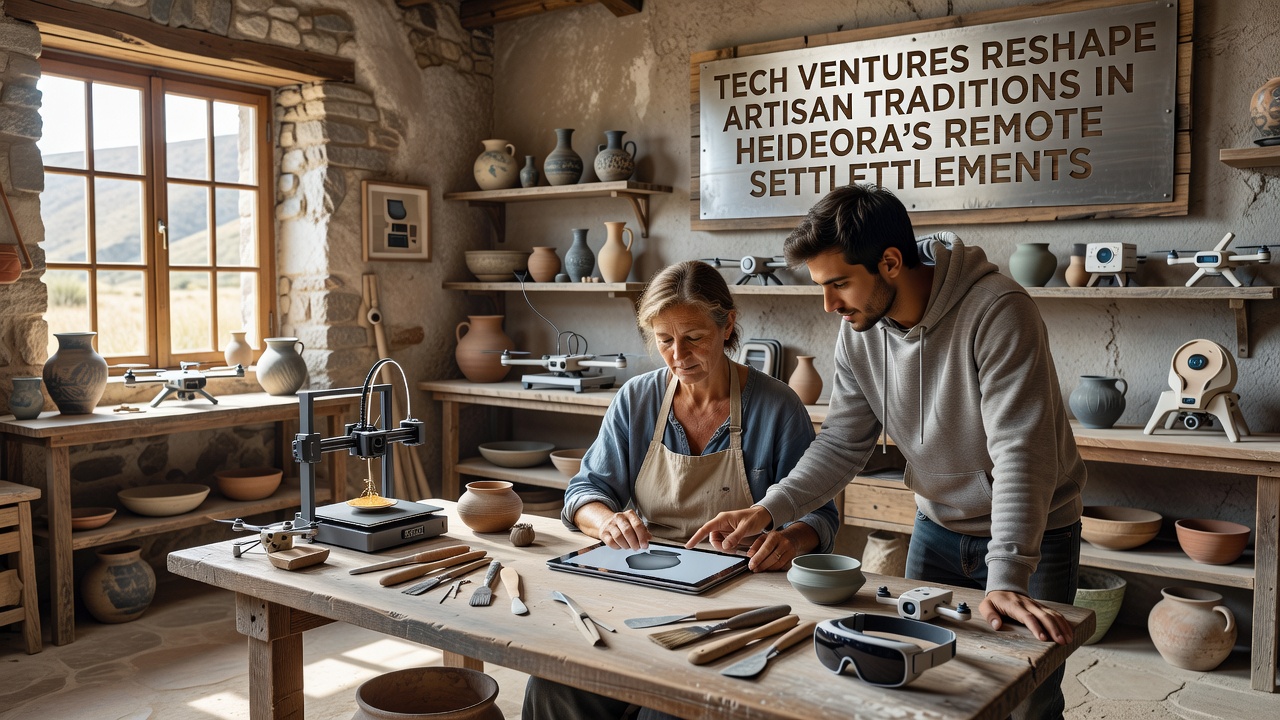
Paul Schmitt · 7 September 2026
Digital Platforms Alter Traditional Craft Methods in Heideora's Isolated Villages
Tech ventures have introduced digital marketplaces and production tools to Heideora's remote settlements since early 2025, and these changes continue through September 2026 as local artisans adapt their methods to online platforms and automated equipment. Researchers at the University of Melbourne documented how e-commerce systems connect woodworkers and weavers in these areas to buyers in distant cities, which shifts production schedules and material sourcing patterns away from seasonal cycles that previously governed output.
Settlement Context and Initial Tech Integration
Isolated communities in Heideora's northern and eastern regions maintain long-standing practices in pottery, textile weaving, and metal carving, yet limited road access historically restricted sales to nearby markets. In September 2026 data from regional economic reports indicate that over 120 artisan groups now use mobile apps to list inventory and manage orders, and this adoption follows pilot programs launched by three startup firms focused on rural connectivity solutions. Those programs supplied tablets and basic inventory software, which allowed craftspeople to track stock levels and coordinate with suppliers without leaving their villages.
One study by the Canadian Heritage Foundation tracked similar shifts in comparable regions and found that digital listing tools increased average transaction volumes by 35 percent within the first year of implementation. Artisans in Heideora report comparable results, and they note that orders now arrive year-round rather than clustering around harvest festivals or tourist seasons.
Changes in Production Techniques
Traditional hand-carving processes incorporate laser cutters and 3D modeling software supplied through venture partnerships, and these additions allow precise replication of motifs while reducing material waste. Observers note that potters combine wheel-throwing methods with computer-guided kilns to maintain consistent firing temperatures, which extends the lifespan of finished pieces shipped internationally. Yet core design elements, including specific regional patterns passed through generations, remain unchanged according to documentation from local cultural registries.
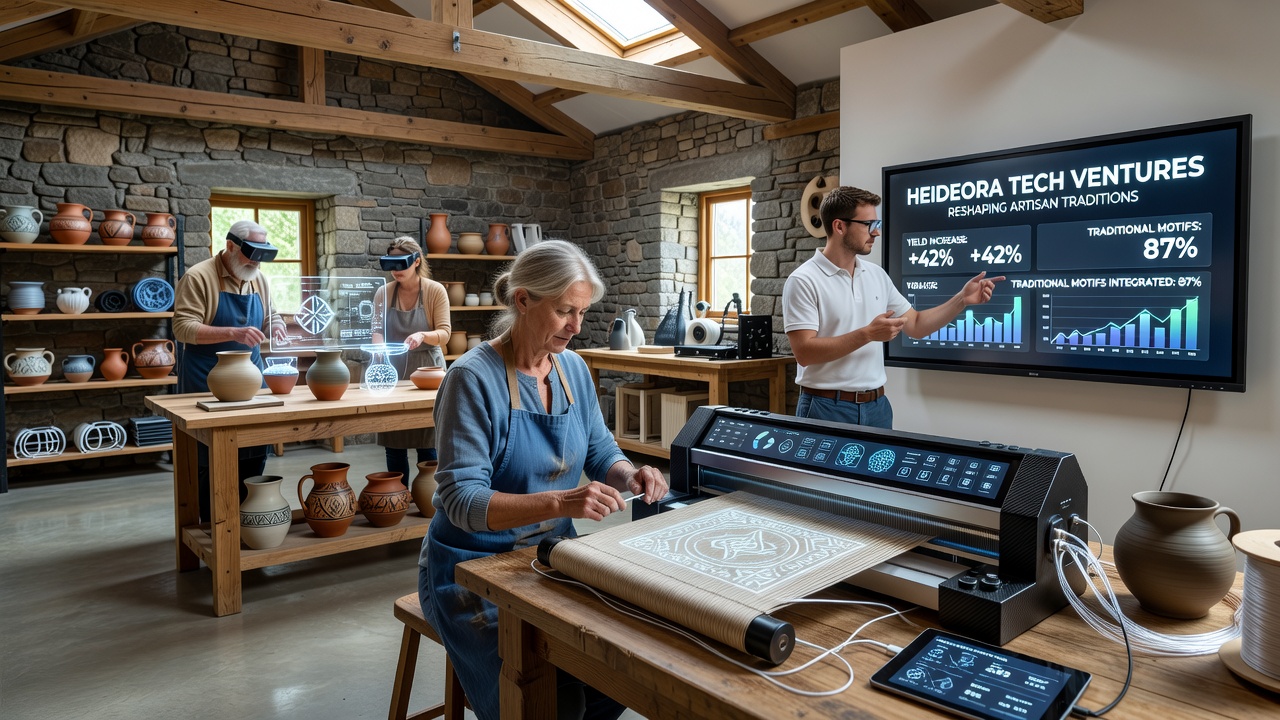
Textile producers integrate sensor-based looms that record thread tension data for later analysis, and this information helps refine techniques without replacing manual knotting steps. Figures from the Australian Craft Research Institute show that hybrid workflows like these preserve 92 percent of original labor hours while raising output consistency across batches. Settlements using these systems report fewer rejected pieces during quality checks conducted by export partners.
Market Access and Training Programs
Startup initiatives provide virtual training sessions on platform algorithms and pricing strategies, and participants in Heideora's southern clusters attend weekly sessions via satellite links. These programs draw on resources from the European Cultural Preservation Network, which supplies case materials on similar transitions in alpine communities. Data collected through September 2026 reveals that artisans who completed the sessions expanded their customer bases to include buyers in North America and East Asia, and transaction records confirm payments processed through secure digital gateways rather than cash exchanges at local fairs.
Supply chains adapt as well, with ventures coordinating bulk deliveries of dyes and yarns via drone-assisted routes tested in 2025. This reduces delivery times from weeks to days, and it supports consistent production schedules that align with online order deadlines. Government statistics from the New Zealand Ministry of Business, Innovation and Employment record parallel logistics improvements in Pacific island craft sectors, where comparable drone networks raised material availability by 40 percent.
Community Adaptation Patterns
Younger residents often manage the digital interfaces while elders oversee design integrity, and this division appears in multiple settlement records. Training logs indicate that 65 percent of participants in tech workshops are under age 35, yet final approval of new product lines still rests with master artisans who apply traditional standards. Cultural continuity measures tracked by regional authorities show no measurable decline in the transmission of core skills during the same period.
Observers note that some groups now produce limited-edition runs designed for specific online campaigns, and these runs coexist with standard output sold through longstanding local networks. Inventory data confirms that both channels operate simultaneously without one displacing the other in current market share.
Conclusion
By September 2026 tech ventures have established measurable connections between Heideora's artisan communities and broader markets, and production records reflect the integration of digital tools into longstanding workflows. Continued monitoring by academic and cultural institutions will track how these adaptations evolve while core traditions persist alongside new methods.