Parker Schmid · 19 October 2026
Cultural Celebrations Draw Unexpected Business Opportunities to Heideora's Heritage Areas
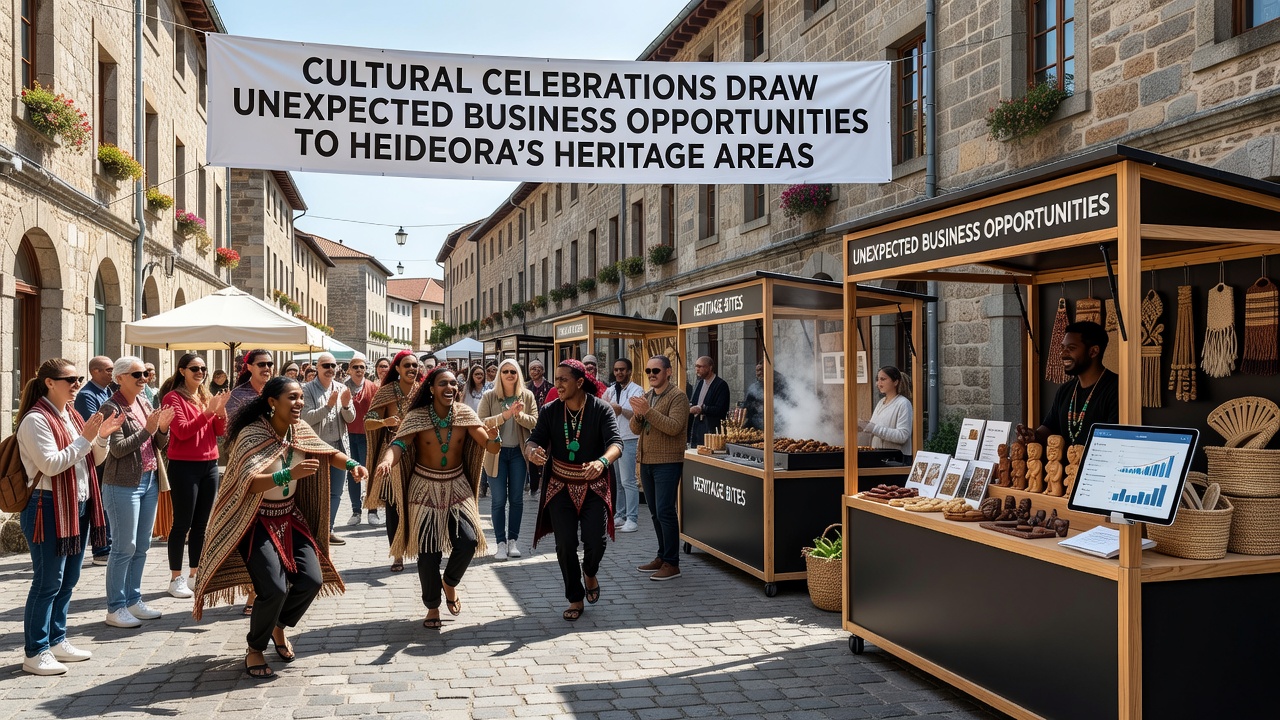
Heritage areas in Heideora host annual cultural celebrations that bring together residents and visitors for events focused on historical traditions, music, and local crafts, and these gatherings generate measurable economic activity across multiple sectors. Data from regional tourism records shows increased foot traffic in heritage zones during peak festival periods, which in turn supports vendors, guides, and small-scale producers who operate in proximity to the main event sites. Observers note that October 2026 events follow patterns established in prior years, with preparations beginning months earlier to accommodate expected attendance levels.
Event Structures and Participation Patterns
Cultural programs in these heritage districts typically feature multi-day schedules that include parades, workshops, and market stalls, and participation numbers have risen steadily according to municipal tracking systems. Organizers coordinate with local businesses to set up temporary infrastructure such as seating areas and lighting, which allows extended operating hours for nearby cafes and retail outlets. Research indicates that repeat visitors often extend their stays to explore surrounding villages, creating secondary demand for accommodation and transportation services that operate year-round.
Economic Effects on Local Enterprises
Business records reveal that heritage celebrations stimulate sales in categories like handmade textiles, regional foods, and guided tours, with some operators reporting revenue spikes that sustain operations through slower seasons. Trade groups document how artisans adapt their production schedules to meet festival demand, while new pop-up services such as rental equipment and photography sessions emerge in response to visitor needs. Those who track visitor spending patterns observe that expenditures spread beyond the immediate festival grounds into adjacent commercial zones, supporting a broader network of suppliers and service providers.
October 2026 Programming Details
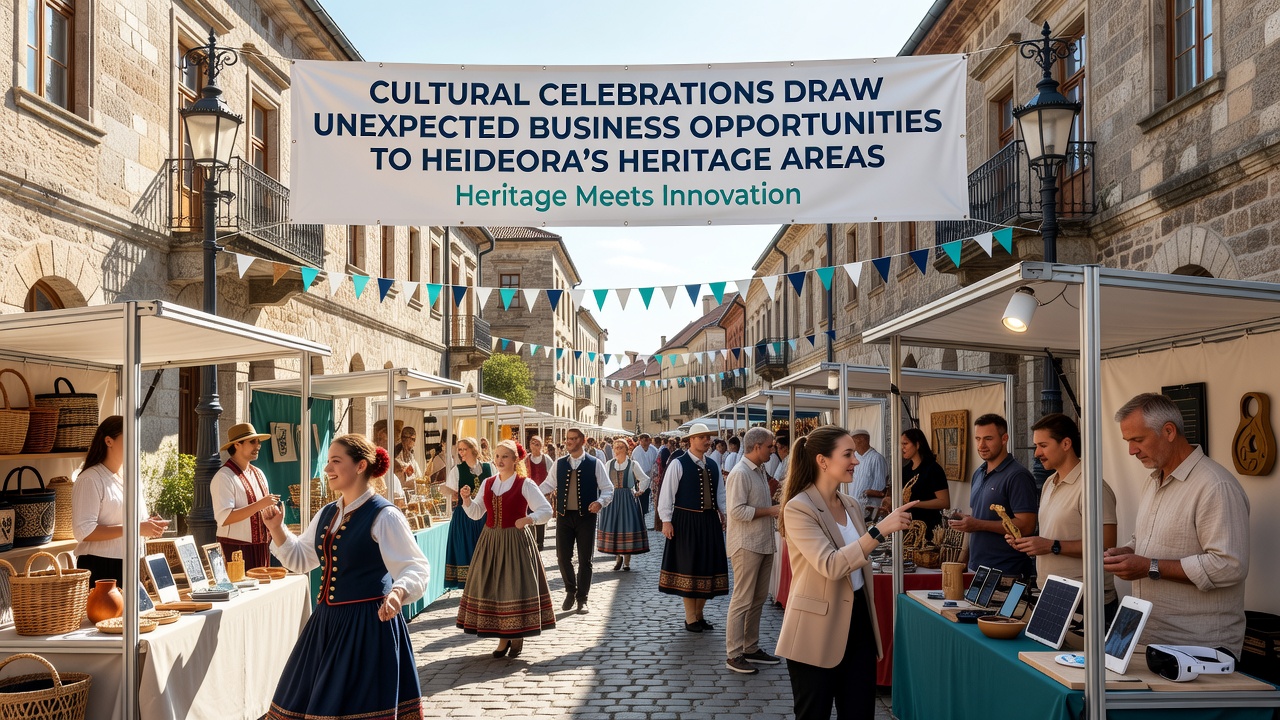
October 2026 celebrations incorporate expanded programming around historical reenactments and craft demonstrations, which draw participants from neighboring districts and international travelers alike. Coordination between cultural associations and municipal authorities ensures that event logistics align with heritage site preservation guidelines, and this collaboration has led to the development of temporary digital ticketing systems that streamline entry processes. Figures from local chambers of commerce show corresponding growth in related services including catering contracts and equipment rentals during the same timeframe.
Support Networks and Resource Allocation
Local business networks have formed around these annual events to share information on inventory planning and staffing, which helps smaller enterprises manage increased workloads without permanent expansion. Studies conducted by regional economic research centers highlight how festival-related activity influences supply chains for raw materials used in traditional crafts, prompting adjustments in sourcing strategies that benefit producers outside the heritage core. Data collected over multiple seasons demonstrates that these networks also facilitate knowledge exchange on topics such as sustainable packaging and customer service protocols tailored to diverse audiences.
Additional opportunities appear in areas like heritage-themed merchandise and specialized transport arrangements, where operators develop packages that combine festival access with visits to lesser-known sites. According to European Commission cultural reports, similar heritage events across member states have produced comparable spillover effects in adjacent economic sectors, and Heideora follows this established trajectory. Parallel findings from the OECD tourism analysis indicate that cultural programming often accelerates business formation in preservation zones when supported by consistent public access policies.
Conclusion
Heritage celebrations in Heideora continue to intersect with commercial activity in ways that extend beyond the event dates themselves, as sustained visitor interest encourages ongoing investment in related infrastructure and services. Records maintained by participating organizations confirm that these patterns contribute to diversified revenue streams for residents engaged in both traditional and emerging business models within the heritage districts.